
Joint pain has a way of reshaping your day before you even notice it happening. You favor one knee going down the stairs, skip the walk you used to enjoy, or wake up with stiffness that takes longer to shake off than it used to. At Crystal Springs Chiropractic, we see this pattern often in patients throughout San Mateo, and we know that joint pain treatment works best when it addresses the mechanics behind the pain, not just the discomfort itself.
We built our approach around getting to that root cause quickly. Schedule a joint pain evaluation with our San Mateo clinic, and we will walk you through exactly what we find and what your options look like from there.
Joint Pain Holding You Back?
Everyday activities should not be limited by persistent joint pain.
Get Answers, Not Guesses
A thorough evaluation can help identify what may be contributing to your symptoms.
Why Joint Pain Doesn’t Always Improve With Rest

According to the Arthritis Foundation, more than 50 million adults in the United States live with some form of arthritis, and the Centers for Disease Control and Prevention projects that number will climb to roughly 78 million by 2040 as the population ages. Joint pain is common, but common does not mean it should be left alone. Joints that stay inflamed or misaligned tend to compensate by shifting load onto nearby muscles and connective tissue, which is often how a single sore knee turns into hip or lower back pain months later.
Rest alone rarely resolves this issue. A joint that has lost proper mechanics needs movement and support to recover its range of motion, not prolonged inactivity. Many patients try to wait out their pain, only to discover it has spread or worsened by the time they decide to schedule an appointment.
What We Look For During a Joint Pain Evaluation
Patterns in pain often provide some of the earliest clues about what is causing a joint problem. Pain that is worst first thing in the morning and improves within about thirty minutes of moving around is more commonly associated with inflammatory conditions. Pain that begins relatively mild and gradually worsens throughout the day is more often linked to mechanical wear or joint instability. Recognizing those patterns helps narrow the likely source of the problem.
Range of motion is another important part of the evaluation. Comparing the affected joint to the same joint on the opposite side of the body can reveal subtle differences that patients may not notice themselves. Reduced or uneven movement is often one of the clearest signs of a mechanical issue, even when the pain feels widespread or difficult to describe.
“I promise you’ll be feeling taller, more mobile, and lighter by the time you walk out the door.”
Amsden, Google Review
Our Approach to Joint Pain Treatment in San Mateo
Building a treatment plan for joint pain starts with identifying which joints are affected, how long the pain has been present, and what has already been tried. From there, we combine a few core techniques depending on what your evaluation shows.
Chiropractic Adjustments for Joint Mobility
Chiropractic adjustments remain one of the most direct ways to restore proper motion to a joint that has become restricted. By realigning the joint and surrounding structures, adjustments can reduce the compensation patterns that spread pain to other areas of the body. Most patients feel a noticeable difference in range of motion within their first few visits, though full relief typically builds over a series of sessions rather than all at once.

StemWave Therapy for Joint Pain That Hasn’t Responded to Rest
For patients whose joint pain involves tendon or ligament irritation, especially around the knee, shoulder, or hip, StemWave therapy is often added to the plan. This non-invasive treatment uses targeted acoustic waves to stimulate circulation and support tissue repair in areas where healing has stalled. We frequently pair it with adjustments for patients who have hit a plateau with more conservative approaches alone.
Myofascial Release for Surrounding Soft Tissue
Joints are rarely the only thing hurting. The muscles and fascia surrounding an affected joint tend to tighten in response to pain, which can limit progress even after the joint itself improves. Myofascial release addresses that surrounding tension directly, which helps the joint move more freely and often extends the benefit of each adjustment.
A joint pain treatment plan built around your San Mateo clinic visit typically includes some combination of these three approaches, adjusted as your condition responds.
When Joint Pain Points to a More Specific Condition

“Joint pain” is often the starting description patients give us before an exam narrows things down. Depending on what we find, your care plan may shift toward a more targeted approach. We treat these related conditions regularly at our clinic:
- Knee pain from overuse, arthritis, or ligament strain
- Shoulder pain, including rotator cuff irritation and restricted mobility
- Back pain tied to facet joint or sacroiliac involvement
- Sciatica, when joint misalignment is compressing a nerve
If your exam points clearly toward one of these, we will let you know and adjust your treatment plan to match, rather than continuing with a generic approach.
Relief Starts Here
Joint pain often responds best when it is addressed before symptoms become more severe.
Care Built Around You
Treatment recommendations are based on your condition, mobility, and long-term goals.
What Helps Between Appointments

Care between visits matters as much as the sessions themselves. A few adjustments to daily habits tend to make the biggest difference for our San Mateo patients managing ongoing joint pain.
Stay Active Without Overloading the Joint
Movement keeps joints healthy, but the wrong kind of movement can slow progress. Swimming and walking along routes like the Bay Trail near Coyote Point tend to be well tolerated because they keep joints moving without heavy impact. We will point you toward specific activities based on which joints are affected.
Support Recovery Through Diet
A diet rich in fruits, vegetables, and whole grains can help reduce systemic inflammation, which supports whatever mechanical work we are doing in the clinic. Patients managing arthritis-related joint pain in particular tend to notice a difference when they pair dietary changes with regular chiropractic care. A registered dietitian can offer more specific guidance if inflammation is a significant factor in your case.
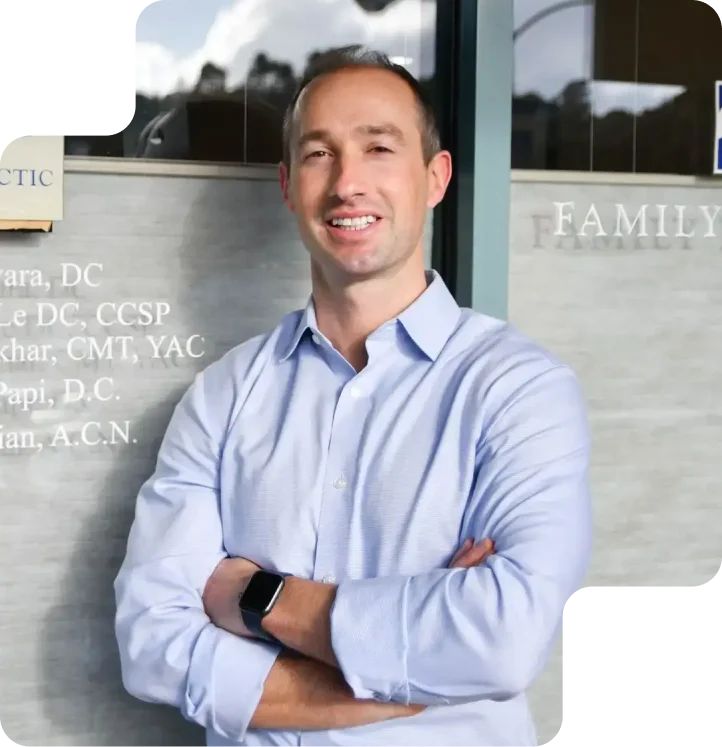
Start Treating Your Joint Pain at Crystal Springs Chiropractic
Joint pain that lingers for weeks or months is telling you something about how your joint is functioning, not just how it feels. At Crystal Springs Chiropractic, we treat patients throughout San Mateo and the surrounding Peninsula communities, and our approach is built to find the actual source of your joint pain before recommending a plan.
Whether your joint pain stems from arthritis, an old injury that never fully resolved, or a mechanical issue that has developed over time, we offer drug-free, non-surgical joint pain treatment designed around your specific evaluation.
Reach out to schedule your joint pain evaluation at our San Mateo clinic, and find out what is actually driving your discomfort.
Move More Comfortably
Whether your pain is new or long-standing, you do not have to simply live with it.
Explore Your Treatment Options
Conservative chiropractic care may help improve joint function and reduce discomfort.