
Sciatica causes more than lower back pain. Irritation of the sciatic nerve can send sharp, burning, or radiating pain from the lower back into the buttock, thigh, calf, or even the foot. Some people notice tingling or numbness instead, while others develop weakness that makes walking, standing, or climbing stairs more difficult.
At Crystal Springs Chiropractic, we provide sciatica treatment in San Mateo that focuses on reducing nerve irritation and restoring healthy movement. Rather than treating only where the pain is felt, every evaluation is designed to identify what’s compressing or irritating the nerve so treatment addresses the underlying problem.
Find the Source of Your Sciatica Pain
Sciatic nerve pain often begins with an underlying problem in the spine, not just the leg.
Get a Personalized Evaluation
A thorough assessment helps identify what’s irritating the nerve and which treatment options may help.
What Is Sciatica?
Sciatica pain occurs when the sciatic nerve becomes irritated or compressed. This nerve is formed from nerve roots at the L4 through S3 levels of the spine and runs from the lower back through the hips and into each leg, which is why symptoms often extend well beyond the lower back itself. Most cases involve compression at the L4-L5 or L5-S1 disc levels specifically, which is part of why an accurate evaluation matters before starting treatment.
Common symptoms include:
- Lower back pain that radiates into the leg
- Tingling or numbness, often on one side
- Muscle weakness in the affected leg
- Pain that worsens with sitting or certain movements

One-Sided Sciatica and Nerve Symptoms
In many cases, symptoms appear on only one side. For example, pain or tingling on the left side of the lower back that travels into the leg may indicate compression affecting that side of the sciatic nerve.
What Causes Sciatic Nerve Pain?
Sciatica develops when the sciatic nerve or one of the nerve roots that form it becomes irritated or compressed. While a herniated disc is one of the most common causes, it is far from the only one. Degenerative disc disease, spinal stenosis, joint dysfunction, and even surrounding muscles can all place enough pressure on the nerve to trigger symptoms.

Common causes include:
- Herniated or bulging discs
- Degenerative changes that narrow the spaces where nerves exit the spine
- Spinal joint dysfunction or restricted movement
- Tight muscles, particularly the piriformis muscle deep in the hip
- Pregnancy-related changes in posture and pelvic mechanics
The location of the compression often influences the symptoms. Pressure higher in the lower back may produce pain that travels through the buttock and down the leg, while irritation closer to the pelvis may create more localized discomfort, numbness, or muscle weakness. Identifying where the nerve is being affected is an important part of choosing the right treatment approach.
Sciatica can also develop or worsen during pregnancy due to changes in posture, weight distribution, and pressure on the lower back and hips. In these cases, care may be adjusted to safely support the patient through chiropractic care during pregnancy.
Chiropractic Care for Sciatica Pain Relief
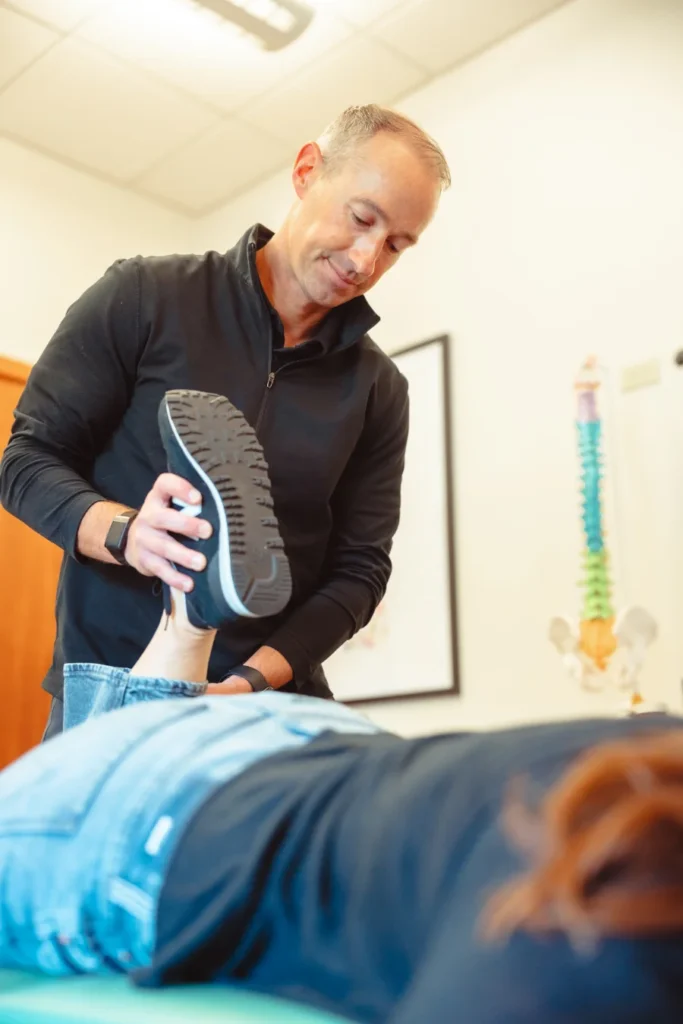
Sciatica treatment focuses on reducing the mechanical stress irritating the nerve rather than simply easing pain for a few hours. That begins with identifying why the nerve is under pressure in the first place.
For some patients, restoring normal motion to restricted spinal joints reduces inflammation around the affected nerve root. Others benefit more from relieving disc pressure, improving hip mobility, or addressing muscle tension that’s altering the way the lower back moves. Because sciatica can develop from several different problems, treatment works best when it is tailored to the underlying cause instead of following the same protocol for every patient.
For patients dealing with ongoing nerve pain, a comprehensive evaluation helps determine which structures are contributing to the irritation and which conservative treatments are most appropriate.
Chiropractic care focuses on reducing pressure on the irritated nerve while improving how the spine, joints, and surrounding muscles work together. For patients dealing with long-standing symptoms or multiple pain conditions, sciatica treatment is often one component of a more comprehensive chiropractic pain management plan designed to improve function over time.
Reduce Nerve Irritation
Treatment focuses on relieving pressure on the sciatic nerve while improving how your spine and hips move.
Care That Fits Your Needs
Your treatment plan is based on your symptoms, health history, and how your body responds to care.
Sciatica Treatment Options at Crystal Springs Chiropractic
Treatment is based on your symptoms, how long they have been present, and how your body responds to care.
Spinal Adjustments
Chiropractic adjustments help improve alignment and restore motion in the spine. This can reduce pressure on the sciatic nerve and improve overall function.
Spinal Decompression Therapy
Spinal decompression gently stretches the spine to relieve pressure on discs and nerves. This is often used when disc-related compression is contributing to sciatica symptoms.
Soft Tissue Therapy
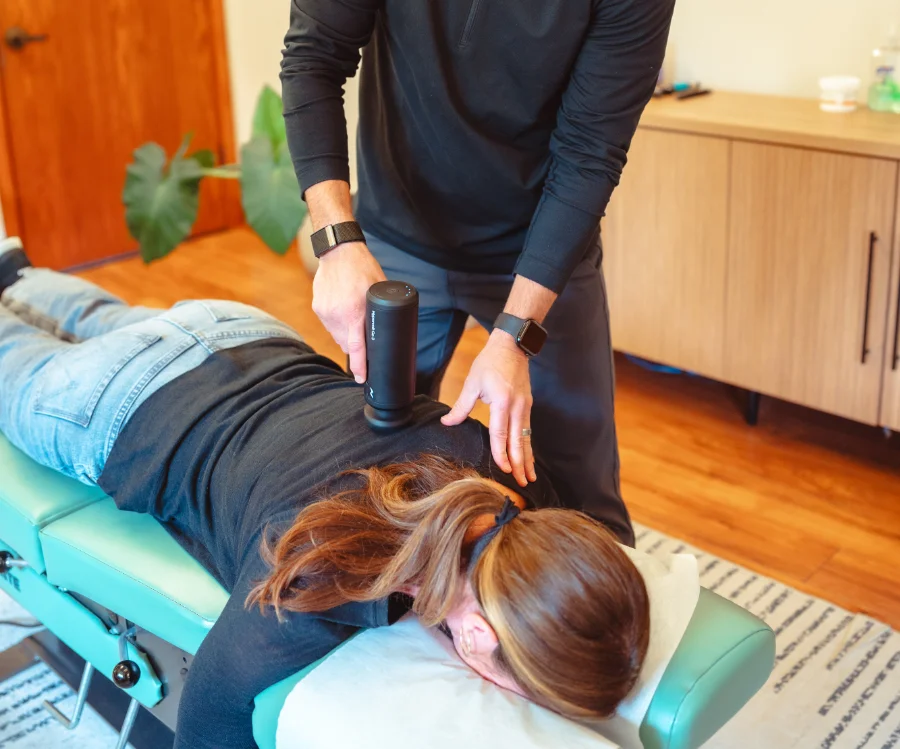
Tight muscles can increase strain on the lower back and hips. Soft tissue techniques help reduce tension and improve circulation in the affected area.
Corrective Exercises
Exercises are used to strengthen supporting muscles and improve stability. This helps reduce the likelihood of recurring sciatic pain.
In cases where sciatica symptoms are persistent or slow to improve, additional therapies may be considered to support recovery. Options such as StemWave therapy may be used to help address chronic irritation and support tissue response as part of a broader treatment plan.
When to See a Chiropractor for Sciatica
Sciatica does not always resolve on its own. If symptoms persist or worsen, it may be time to seek care.
You may benefit from evaluation if you are experiencing:
- Ongoing lower back and leg pain
- Tingling or numbness that does not improve
- Pain that interferes with daily activity
- Recurring episodes of sciatic nerve pain
A proper evaluation can help identify the source of nerve irritation and determine whether chiropractic care is an appropriate option for relief. Early treatment often makes it easier to manage symptoms and prevent them from becoming more persistent.
Why Choose Crystal Springs Chiropractic for Sciatica Treatment

Sciatica often becomes more noticeable during everyday activities like sitting, driving, or repetitive movement. Because of this, treatment should take into account how your body moves throughout the day.
Care is focused on identifying the source of nerve irritation and building a plan that supports steady improvement. Treatment is adjusted based on your response, rather than following a fixed approach. Our patients have rated us 5.0 stars across 144 Google reviews, and much of that feedback points to exactly this kind of individualized, responsive care.
The goal is to help reduce pain, improve movement, and support long-term function without unnecessary interventions.
Crystal Springs Chiropractic provides care for patients in San Mateo and surrounding Peninsula communities, making it easier to access treatment close to home. Working with a local provider allows care to be tailored to your routine, whether that includes desk work, commuting, or physical activity.
Schedule Sciatica Treatment in San Mateo
If you are experiencing lower back and leg pain related to sciatica, an evaluation can help determine what is contributing to your symptoms and what treatment options may be appropriate.
Contact Crystal Springs Chiropractic in San Mateo to schedule an appointment and take the next step toward relief.
Don’t Ignore Radiating Pain
Pain, tingling, or numbness that travels down the leg is often a sign that the sciatic nerve is involved.
Start Moving More Comfortably
Schedule a sciatica evaluation to learn what’s causing your symptoms and how conservative care may help.