Headaches and migraines can interrupt your ability to work, focus, and carry out daily activities. For some people, the pain is occasional. For others, it becomes a recurring issue that affects sleep, productivity, and overall well-being.
At Crystal Springs Chiropractic, we provide headache and migraine treatment in San Mateo focused on identifying physical causes such as tension, joint dysfunction, and nerve irritation. Migraine alone affects an estimated 12 to 15 percent of U.S. adults, according to a systematic review published in the journal Headache, and tension-type headaches are even more common. Chiropractic care offers a non-invasive approach to managing headache symptoms and improving how the body responds to stress and movement.
Find the Cause of Your Headaches
Recurring headaches often begin with problems in the neck, muscles, or joints rather than the head itself.
Start With an Evaluation
A thorough assessment can help determine whether chiropractic care is appropriate for your symptoms.
Common Causes of Headaches and Migraines
Headaches and migraines can develop for a variety of reasons, many of which are related to how the body moves and functions.
Common contributing factors include:
- Muscle tension in the neck and shoulders
- Joint restrictions in the cervical spine
- Poor posture or prolonged sitting
- Stress and physical strain
- Nerve irritation or compression
In some cases, headaches may also develop after an injury, such as a car accident, where the neck and upper spine are affected.
The Suboccipital Connection
Many tension headaches and cervicogenic migraines trace back to a small group of muscles at the base of the skull, called the suboccipitals. When the upper cervical spine loses its normal motion, these muscles tighten to compensate, and that tension refers pain upward into the head, often behind the eyes or across the forehead. This is why headache pain frequently has nothing to do with the head itself. Identifying whether a headache is originating in the upper neck is one of the first things we check, since it changes the entire treatment approach.
Headaches After a Car Accident

Headaches that develop after a car accident are often related to strain in the neck or upper back. Even minor collisions can affect how the spine moves and how surrounding muscles respond. These headaches may develop hours or days after an accident, arrive with neck stiffness or reduced mobility, and become more noticeable with movement or prolonged sitting.
A chiropractic evaluation can help determine whether structural or soft tissue factors are contributing to these symptoms. If your headaches started after a collision, this is often addressed as part of a bigger auto accident injury treatment plan rather than as an isolated headache issue, since the neck strain driving the headache usually needs its own evaluation.
How Chiropractic Care Helps with Headaches and Migraines
Chiropractic care focuses on improving joint function, reducing muscle tension, and relieving pressure that may contribute to headaches. Working with a chiropractor for headaches or migraines involves identifying areas of restriction and building a care plan that supports improved movement and reduced irritation.
Treatment may help:
- Reduce frequency and intensity of headaches
- Improve neck and upper back mobility
- Decrease muscle tension
- Support long-term headache management
In some cases, headaches may also develop after an injury, such as a car accident, where the neck and upper spine are affected. Because so many of these contributing factors overlap with neck pain, patients dealing with both often benefit from having each evaluated together rather than treated as separate issues.
“Highest quality of chiropractic care in the Bay Area. Wouldn’t trust anyone else with my adjustments.”
Peter K., Google Review
Migraine Treatment with Chiropractic Care
Migraines are often more complex than standard headaches. Where tension headaches usually stem directly from muscle and joint restriction, migraines involve a heightened sensitivity in the nervous system itself, which is why light, sound, or certain smells can trigger or worsen an attack. That neurological component means chiropractic care isn’t a standalone migraine cure, but for many patients it plays a meaningful supporting role.
One pattern we watch for closely is cervicogenic overlap, meaning migraine symptoms that are being partly driven or worsened by restriction in the upper cervical spine. Not every migraine has this component, but when it’s present, addressing the neck can measurably reduce how often attacks occur, even if it doesn’t eliminate the underlying migraine tendency. We also look at muscle tension patterns across the shoulders and jaw, since sustained tension in these areas is a common and often overlooked trigger.
For individuals looking for a migraine chiropractor in San Mateo, care starts with identifying whether your migraines have this mechanical component at all. If they don’t, we’ll tell you directly and help coordinate with a neurologist or headache specialist rather than continuing care that isn’t addressing the actual cause.
Common Migraine Triggers Beyond the Neck
Migraine triggers vary by patient, but a few show up often enough to be worth tracking. Hormonal shifts, particularly around menstrual cycles or during pregnancy, are one of the most common triggers we hear about. Dietary triggers such as aged cheese, alcohol, and artificial sweeteners show up frequently as well, along with irregular sleep and skipped meals. Weather changes and barometric pressure shifts, which are common along the coast here in San Mateo, are another trigger some patients notice but rarely connect to their migraines until they start tracking patterns.
We often recommend a trigger log alongside care, since patients who can identify their own patterns tend to manage migraines more effectively even outside of appointments.
Reduce Tension and Strain
Headaches related to muscle tension and restricted spinal movement often respond well to conservative care.
Treatment Designed for You
Your care plan is built around your symptoms, movement patterns, and how your body responds to treatment.
Chiropractic Treatment Options for Headache and Migraine Relief
Care plans are based on the cause of symptoms and how your body responds to treatment. The same core techniques apply to both headaches and migraines with a cervicogenic component, though how they’re combined and how often you’re seen often differs between the two.
Chiropractic Adjustments

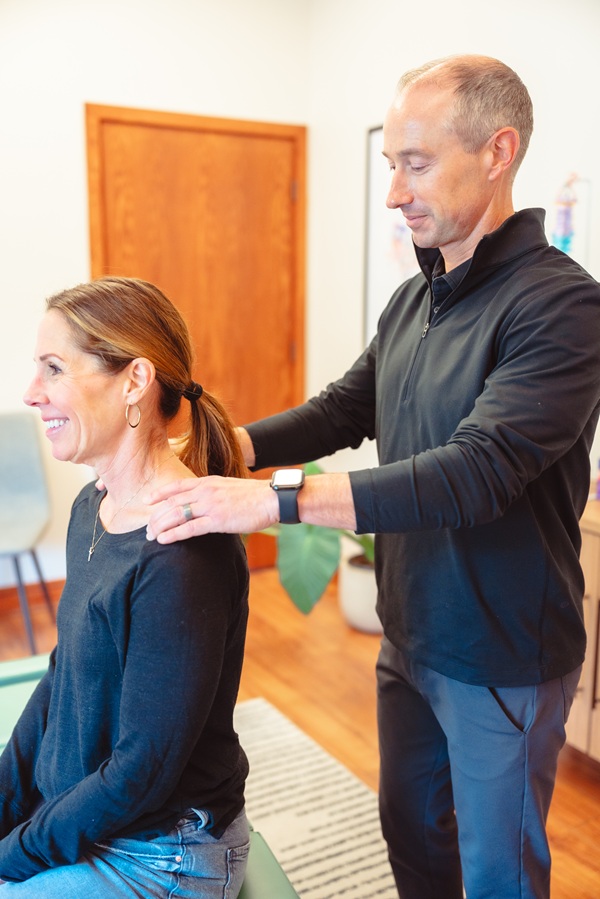
Adjustments help restore motion to restricted joints in the upper cervical spine, particularly the C1-C2 segment, where many tension headaches and cervicogenic migraines originate. Restoring motion here reduces the compensatory tightening in the suboccipital muscles that was referring pain into the head. For tension headache care specifically, most patients start with two visits per week for the first few weeks, since consistent early care tends to interrupt the pain-tension cycle faster than infrequent visits do. Migraine patients with a mechanical component are often seen on a lighter, more spaced-out schedule, since the goal there is reducing frequency over time rather than resolving an active cycle.
Soft Tissue Therapy
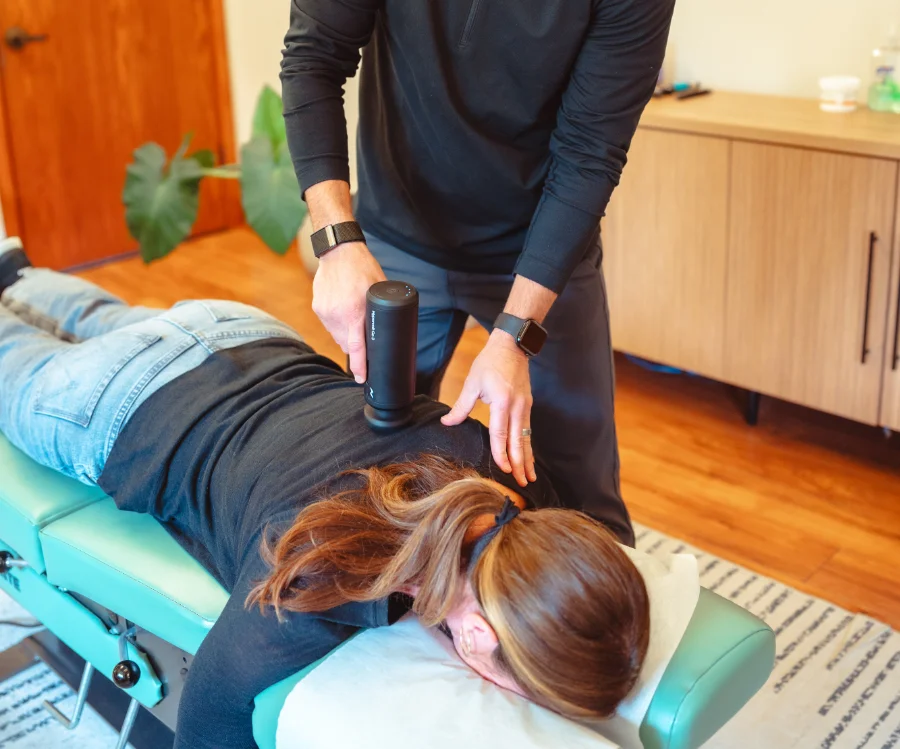
Techniques focused on the neck and shoulders, including myofascial release, help relieve the suboccipital and upper trapezius tension that can trigger or worsen both headaches and migraines. This work is often what makes an adjustment’s benefit last longer, since a joint that’s been freed up by an adjustment can tighten right back down if the surrounding muscle tension isn’t addressed at the same time. We typically pair the two in the same visit rather than treating them separately.
Postural and Movement Support
Improving posture and daily movement patterns can reduce strain that contributes to recurring headaches and can lower the frequency of cervicogenic migraine flare-ups as well. This matters even more for San Mateo patients commuting along 101 or spending long hours at a desk, since sustained forward head posture is one of the most common drivers of tension headaches we see. We typically pair adjustments with specific exercises aimed at strengthening the deep neck flexors, the muscles most responsible for holding the head in a neutral position throughout the day. Patients who do these consistently between visits tend to see longer stretches between episodes, whether their pain pattern leans more toward headache or migraine.
A headache and migraine treatment plan at our San Mateo clinic typically combines several of these approaches, adjusted based on how your symptoms respond.
When to See a Chiropractor for Headaches or Migraines

Occasional headaches may resolve on their own, but recurring or worsening symptoms should be evaluated. You may benefit from chiropractic care if you experience frequent headaches, pain that starts in the neck or upper back, headaches after a car accident, or symptoms that interfere with daily activities. Headaches that follow a predictable pattern, such as worsening through the workday or easing over the weekend, are often the clearest sign of a mechanical component that chiropractic care can address.
For migraines specifically, an evaluation is worth considering if attacks are becoming more frequent, if you notice they tend to follow neck stiffness or a specific sleeping position, or if standard migraine treatment has helped only partially. Migraines with a mechanical trigger pattern like this are exactly the cases where chiropractic care tends to make the most difference.
Not every headache or migraine is a good fit for chiropractic care alone. A sudden, severe headache unlike any you’ve had before, or one accompanied by fever, stiff neck, vision changes, confusion, or weakness on one side of the body, needs immediate medical evaluation rather than a chiropractic visit. We’ll flag this directly during an evaluation if anything points that direction, and coordinate with your physician when needed.
An evaluation can help determine whether chiropractic care is appropriate and what approach may be most effective.
Why San Mateo Patients Choose Crystal Springs for Headache Care
Headaches are often influenced by daily routines such as desk work, screen use, commuting, and stress. Because of this, treatment should take into account how your body functions throughout the day, not just where the pain shows up.
Crystal Springs Chiropractic provides care for patients in San Mateo and surrounding Peninsula communities, offering a local option for individuals seeking non-invasive headache and migraine treatment. Our patients have rated us 5.0 stars across more than 100 Google reviews. We pride ourselves on premier, personalized care, and it shows.
Schedule Headache and Migraine Treatment in San Mateo
If you are dealing with ongoing headaches or migraines, an evaluation can help identify contributing factors and determine the next steps for care.
Contact Crystal Springs Chiropractic in San Mateo to schedule your headache evaluation and learn more about your treatment options.
Get Back to Feeling Your Best
Frequent headaches can interfere with work, sleep, and everyday life when left unaddressed.
Take the Next Step
Schedule a headache evaluation to learn what’s contributing to your symptoms and what treatment may help.