
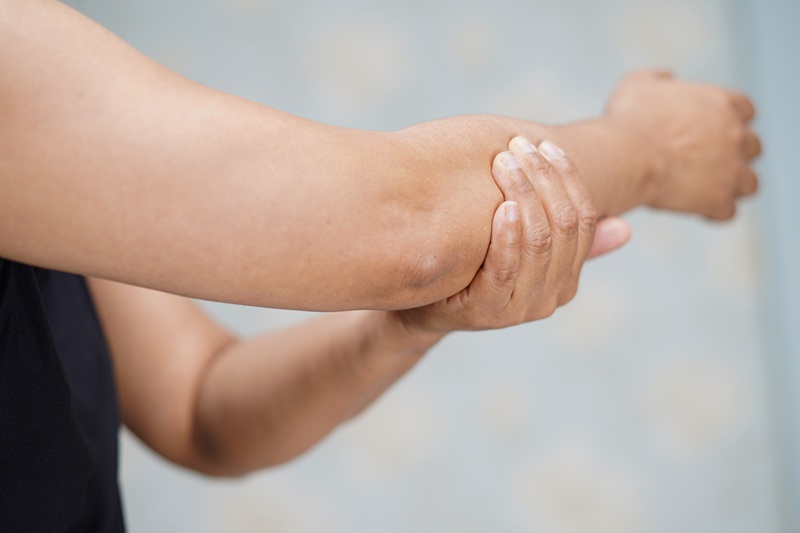


You pushed through the pain. You rested, iced it, and waited it out, and the initial injury felt better. At least well enough to get back to your routine. But weeks or months later, something still feels off. Maybe it’s the same area or maybe it’s somewhere new. Either way, it hasn’t fully gone away.
This is one of the most common patterns we see. Sports injuries not healing properly, including cases of improper healing after returning to activity too soon, are rarely about the original tissue damage alone. Most of the time, it comes down to what happens after the injury and how the body starts moving differently to protect itself.
Why Sports Injuries Become Chronic Pain
When you get hurt, your body jumps into protection mode right away. Muscles tighten around the injured area. You shift your weight, you favor one side, or you move differently to avoid pain. This is a protective response, and in the short term, it makes sense.
The problem is that those new movement habits often stick around long after the injury has partially healed. Your nervous system has essentially learned a new way to move, one built around protecting that damaged area. Over time, these patterns place stress on joints, muscles, and soft tissue that weren’t part of the original injury.
A sprained ankle becomes knee pain. A shoulder strain becomes neck tension. A hip injury starts affecting the lower back. That’s your body quietly shifting the load to wherever it can due to the pain, even though those areas weren’t built to carry it. It’s one of the primary reasons why old injuries still hurt long after they should have resolved, leading to chronic pain.
What Happens When a Sports Injury Goes Untreated
When those movement habits go unaddressed, the problems start to pile up. Muscles that weren’t designed to carry extra load become chronically overworked, which is how many overuse injuries develop. Joints that are moving incorrectly wear down unevenly. Imbalances develop throughout the body that affect everything from how you sit at a desk to how you sleep at night.
This is how an untreated sports injury leads to musculoskeletal pain that feels completely disconnected from the original event. These can become chronic injuries that are much harder to address than they would have been early on. You may not even associate your current pain with that ankle you rolled two years ago, but the body remembers, and has been quietly reorganizing how it moves ever since.
Incomplete recovery doesn’t always feel that way at first. The sharp pain fades and you get back to doing most things, so it feels like you’re healed, but if the underlying movement problem was never corrected, the stress just keeps accumulating in places that weren’t designed to handle it.
Why This Kind of Pain Is So Hard to Shake
When the body settles into a compensatory movement pattern, it rewires how the whole body moves. Certain muscles become overactive while others stop doing their job. The brain essentially redraws its movement blueprint around the dysfunction, and that new blueprint gets reinforced every time you move.
This is why this type of chronic pain can feel stubborn. It isn’t just a tissue problem, but a deeply ingrained movement habit that rest and stretching alone can’t undo. The underlying biomechanical pattern needs to be identified, addressed, and retrained.

How Chiropractic Care Addresses the Root Cause
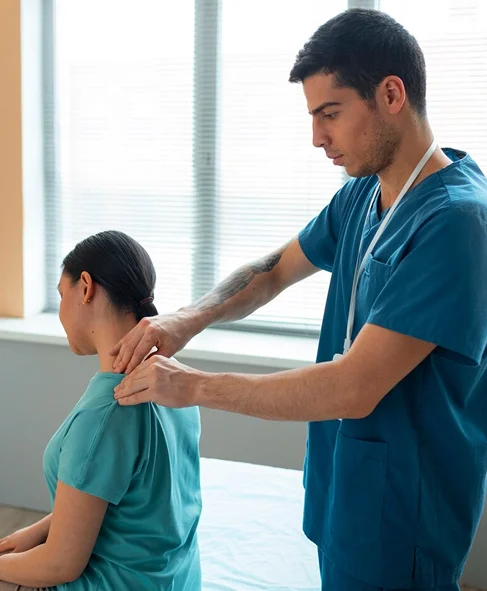
Sports injury chiropractic treatment works differently from simply treating the site of pain. Rather than focusing only on pain management, a chiropractic evaluation looks at how the whole body is moving, including patterns driven by injury overuse and repeated strain. It identifies where joints are restricted, where muscles are compensating, and where the original injury has left imbalances behind.
Chiropractic adjustments restore proper motion to the joints in the spine and throughout the body. When joints move correctly, the muscles around them can function the way they were designed to. The nervous system gets cleaner signals, and movement patterns start to normalize to alleviate persistent pain.
For athletes and active patients, this matters. Covering up pain while the underlying movement problem continues is exactly how injuries keep coming back. Addressing the actual cause is what breaks that cycle.
Chiropractic care for athletes also takes into account the demands of the sport. Recovery isn’t just about returning to baseline. It’s about restoring the quality of movement needed to perform and stay active without recurring breakdown. A chiropractic injury recovery plan is structured around that goal.
The Role of Kinesio Taping in Sports Injury Recovery
Sports kinesio tape therapy supports the soft tissue work between chiropractic visits.
Kinesiology tape is a thin, elastic therapeutic tape applied to the skin over muscles and joints. Unlike rigid athletic tape, it moves with the body. It gives the nervous system ongoing feedback about how a joint or muscle is positioned, which helps reinforce better movement patterns during daily activity and exercise.
The tape works partly by gently lifting the skin, which takes some pressure off the tissue underneath. This can ease discomfort, reduce swelling, and improve blood flow to the area. For sports injuries specifically, this means less swelling, better body awareness, and support for the muscles working to stabilize a healing area of the body.
Kinesio taping is especially useful when the body is actively relearning how to move correctly. As proper mechanics are restored through chiropractic care, the tape reinforces those corrections between visits, helping the new movement pattern stick rather than defaulting back to the old compensation.
When to Stop Waiting and Start Addressing It
If a sports injury hasn’t fully resolved, or if pain has shown up somewhere new after an old injury, that’s a sign the underlying movement problem deserves attention. The longer it goes unaddressed, the more entrenched it becomes. That makes recovery more involved. Not impossible, but more time-intensive.
Early intervention produces better outcomes. It also reduces the likelihood of secondary injuries developing from ongoing compensation. Understanding your risk factors and addressing them early is one of the most effective forms of injury prevention available.