


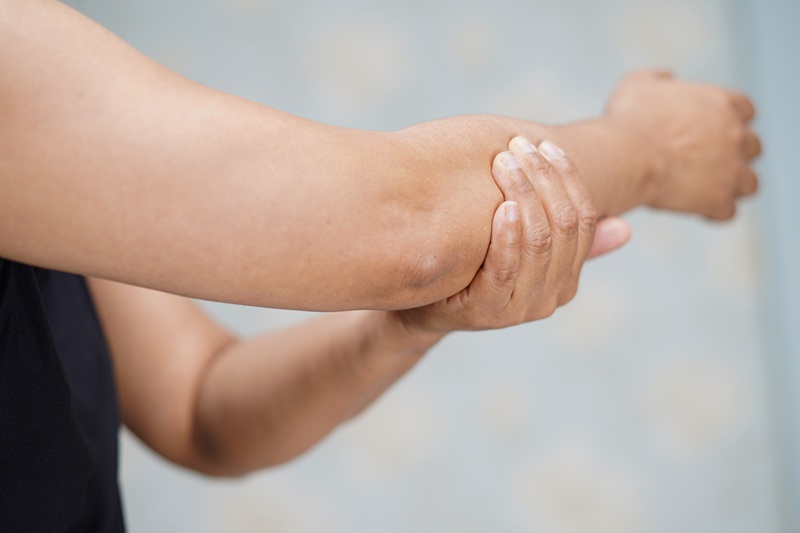
Recovery does not always end when the surgical site has healed. Weeks or months later, you may still notice stiffness, tenderness, or a pulling sensation around the area. A joint may feel restricted, or certain movements may remain uncomfortable even after you have returned to normal activities.
In some cases, lingering symptoms are related to scar tissue that developed as the body healed. Scar tissue is a normal part of recovery, but it can sometimes restrict movement or contribute to ongoing discomfort. For patients who are past the early recovery stage, StemWave therapy may be used to support circulation and tissue remodeling around the affected area.
When Post-Surgical Pain Points to Scar Tissue
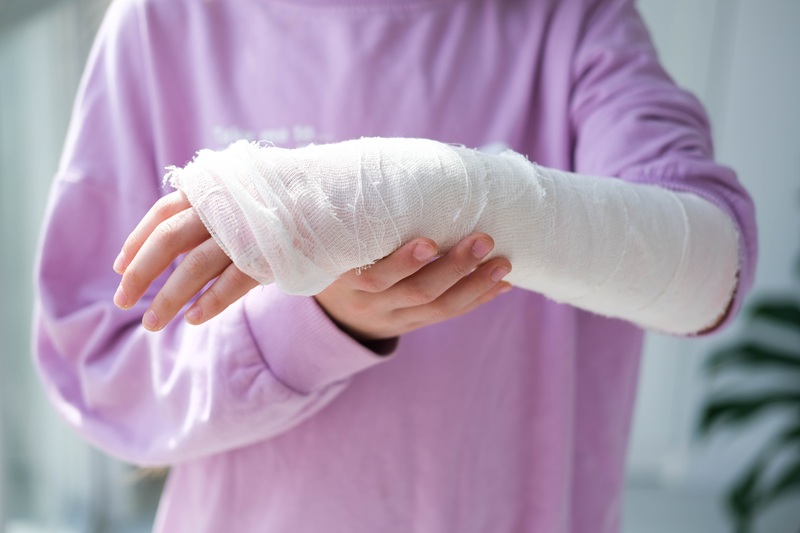
Scar tissue pain after surgery can feel different from the soreness that follows a procedure. As the initial discomfort improves, you may continue to notice tightness or aching around the surgical area. Certain movements may create a pulling sensation or feel unusually tight. You may also find that the joint does not move as freely as it did before.
Scar tissue is a normal part of the body’s healing process. In some cases, however, the tissue can become restrictive or form adhesions around the surgical area. This may contribute to stiffness, discomfort, or limited mobility even after the initial recovery period has passed.
How Scar Tissue and Adhesions Form After Surgery
Whenever tissue is cut, whether by a scalpel or an injury, the body repairs it with collagen fibers rather than regenerating the original tissue exactly. Around a surgical site, that collagen can also bind to nearby structures never meant to be connected. This forms what is commonly called an adhesion.
- Adhesions can tether skin to underlying muscle, restricting how the area glides during movement
- Scar tissue inside a joint capsule can limit the joint’s full arc of motion
- Adhesions around a tendon or ligament repair can restrict the smooth gliding those structures need to function normally
Scar tissue does not always appear clearly on an X-ray, which can make it harder to identify as a source of discomfort. The joint may look structurally normal even when stiffness or limited mobility persists.
Some surgeries may be more prone to this than others. Orthopedic tendon or ligament repairs, joint replacements, and abdominal or C-section procedures can involve several layers of tissue. Each layer has to heal, creating more opportunity for scar tissue and adhesions to develop.
So, when can you actually start addressing that scar tissue? The surgical area needs time to heal first. Treatment may begin once the incision has fully closed and post-operative swelling has improved. This often takes at least four to six weeks, depending on the procedure. Your surgical team should always confirm when it is safe to begin.
What Makes Mature Scar Tissue Different From a Fresh Injury
Healthy tissue lays down collagen fibers in organized, parallel bundles that allow for normal stretch and movement. Scar tissue forms in a disorganized, tangled pattern instead, closer to a basket weave than a straight cable. Because scar tissue is built differently, it does not always move or stretch like the surrounding tissue.
Mature scar tissue also tends to have reduced blood supply compared to nearby healthy tissue. This matters more than it might seem at first, because standard rehab tools like heat, stretching, and rest depend on adequate circulation to drive the healing process. When blood flow to the area is limited, those tools can plateau even with consistent effort. That plateau is often the exact point when patients start looking for a different solution.
How StemWave Treats Post-Surgical Scar Tissue
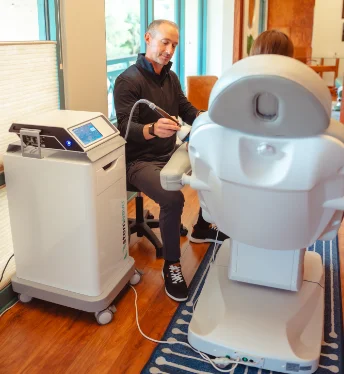
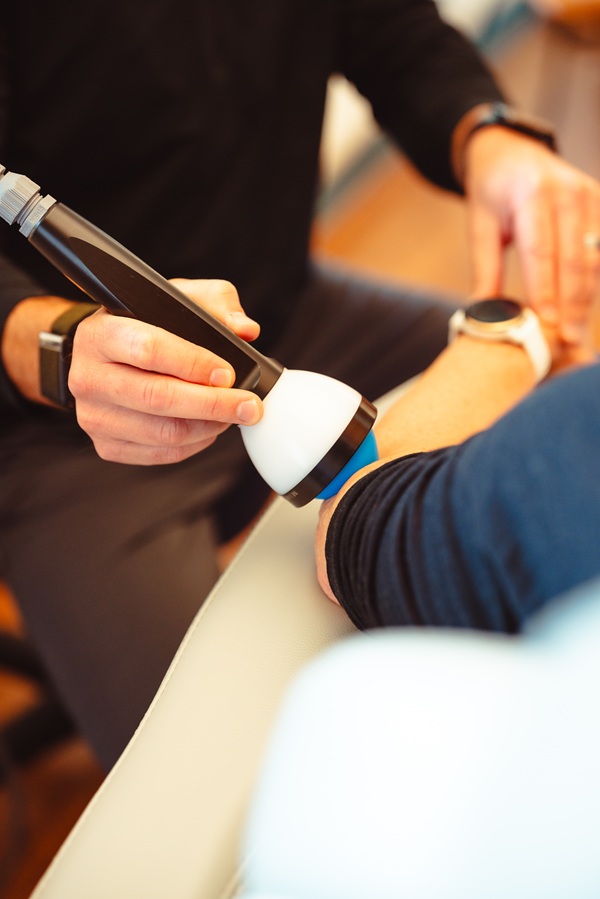
StemWave therapy uses focused acoustic pulses that travel through the skin to the affected area. These pulses increase local circulation and stimulate cellular activity involved in tissue repair and remodeling. This is also why StemWave is used for chronic tendon and ligament problems elsewhere in the body.
Research on extracorporeal shockwave therapy has shown it can reduce the buildup of disorganized collagen. It also encourages fibroblasts to lay down thinner, more parallel collagen structures instead, closer to how healthy tissue is organized. A randomized trial on shockwave therapy for post-surgical fibrosis after breast reconstruction found measurable improvements in tissue softness and patient-reported pain compared to a sham treatment group. The mechanism is not unique to that surgery type. It applies to fibrotic tissue wherever it has formed.
What Treatment for Post-Surgical Scar Tissue Looks Like
A session typically takes 10 to 20 minutes. A conductive gel is applied over the treatment area, and a handheld applicator delivers the acoustic pulses directly to the scarred or restricted tissue. Most patients feel a pulsing pressure rather than sharp pain, and intensity is adjusted throughout the session for comfort.
Chronic scar tissue generally responds more slowly than a fresh soft tissue injury, since the collagen structure has had time to mature. Treatment is typically spread over several sessions, with progress reassessed along the way. Some patients notice improved mobility within the first few visits. More established scar tissue may take a longer course of care before the change becomes noticeable in daily movement.
Shockwave therapy is often paired with joint mobilization or targeted stretching in the same visit, since loosened tissue responds better to movement work immediately afterward than it does on its own. Addressing joint mechanics and the adhesion together tends to hold progress better than treating either one in isolation, particularly when a joint has been protected or moved differently for months during recovery.
Treating Scar Tissue After an Accident-Related Surgery

Some accident injuries require surgery before the longer recovery process can begin. A torn rotator cuff, ligament injury, or other serious damage may leave scar tissue as the surgical area heals. Even after the repair has healed, that tissue may contribute to lingering stiffness or limited mobility.
For patients already receiving auto accident injury treatment, these symptoms may become more noticeable later in recovery. A certain movement may still feel tight, uncomfortable, or harder to complete than it was before the accident.
Treatment at this stage can focus on improving movement and addressing the tissue around the surgical area. StemWave may be incorporated alongside stretching, joint mobilization, or other therapies based on the patient’s recovery and remaining limitations.
When Post-Surgical Stiffness Is Still Holding You Back
Months after surgery, you may be back to many of your normal activities but still notice that something feels off. A joint may not move as freely, certain motions may pull or ache, or progress may have slowed despite continued stretching and rehabilitation.
Scar tissue can be one reason those limitations continue. Joint mechanics and changes in how you moved during recovery may also play a role. Understanding what is contributing to the problem can help determine which treatment options make sense at this stage.
If your recovery has plateaued and stiffness or discomfort is still affecting daily movement, Crystal Springs Chiropractic can evaluate the area and discuss your options. StemWave therapy may be one part of a treatment plan designed to support mobility and continued recovery.
Still Dealing With Stiffness After Surgery?
If your initial recovery is over but movement still feels limited, it may be worth looking at what is holding you back. Crystal Springs Chiropractic can evaluate the area and determine whether StemWave may fit into your continued recovery.
Schedule an Appointment