



Plantar fasciitis is one of the most common causes of heel pain, particularly among runners, hikers, and people who spend much of the workday on their feet. For active San Mateo residents, that can make everyday activities difficult when the first steps of the morning or a longer walk suddenly bring sharp heel pain.
It can also be a stubborn condition. Despite the name, persistent plantar fasciitis involves more than inflammation alone. Changes within the plantar fascia and the repeated loads placed on it can both contribute to symptoms that continue for months.
Understanding those changes helps explain why some cases improve with stretching, footwear changes, and activity modification while others continue despite conservative care. For persistent cases, non-invasive options such as StemWave therapy may also be considered as part of a broader plantar fasciitis treatment plan.

Plantar Fasciitis Treatment: Why the Name Can Be Misleading
The term plantar fasciitis suggests that inflammation is the primary problem. In persistent cases, however, research has identified changes within the plantar fascia that go beyond a typical inflammatory response.
Tissue studies have found changes such as collagen degeneration and disorganization within the plantar fascia. This is why terms such as plantar fasciopathy are sometimes used to describe chronic cases more accurately.
Inflammation may still play a role, particularly at certain stages of the condition, but it does not fully explain persistent plantar heel pain. Treatment may therefore need to address both symptoms and the repeated mechanical demands placed on the plantar fascia.
Why Morning Heel Pain Is So Common
One of the most recognizable symptoms of plantar fasciitis is first-step pain. Heel pain is often most noticeable during the first few steps after getting out of bed or after sitting for an extended period, then may ease somewhat as the person begins moving.
After several hours without weight bearing, the plantar fascia and surrounding tissues suddenly return to supporting body weight when someone stands. That rapid transition from rest to loading can make an already sensitive plantar fascia particularly painful during those first steps.
The same pattern can occur after sitting at a desk, driving, or resting later in the day. For someone being evaluated for heel pain, first-step pain is therefore a useful clinical clue, although it is not enough by itself to confirm plantar fasciitis.
Why Plantar Fasciitis Can Be So Stubborn

Plantar fasciitis often improves with time, but recovery can take months, and some people experience symptoms for a year or longer. One challenge is that the plantar fascia is loaded during everyday activities such as standing and walking, making it difficult to avoid the movements that aggravate heel pain.
The amount and type of loading also vary considerably from person to person. Someone training for a half marathon along the Sawyer Camp Trail places different demands on the foot than a retail employee standing through an eight-hour shift or a tech worker spending much of the day at a standing desk.
Reducing aggravating activity may help, but completely avoiding weight-bearing activity is rarely practical or necessary. Treatment often involves finding a manageable level of activity while gradually improving the foot’s ability to tolerate the demands of daily life.
Why Symptoms Can Persist Despite Conservative Treatment
Conservative plantar fasciitis treatment often includes stretching, activity modification, supportive footwear, and sometimes orthotics or medication for short-term symptom relief. These approaches can be effective, and many people improve without needing more advanced treatment.
However, not every case responds at the same rate. Persistent symptoms may be influenced by how much time someone spends standing or walking, training demands, ankle and foot mobility, strength, footwear, and how long the condition has been present.
For someone who continues to have heel pain despite an appropriate course of conservative care, the next step is not necessarily to abandon those strategies. It may be appropriate to reassess what is contributing to the pain and consider additional treatment options alongside the measures that are already helping.
How StemWave May Help With Plantar Fasciitis
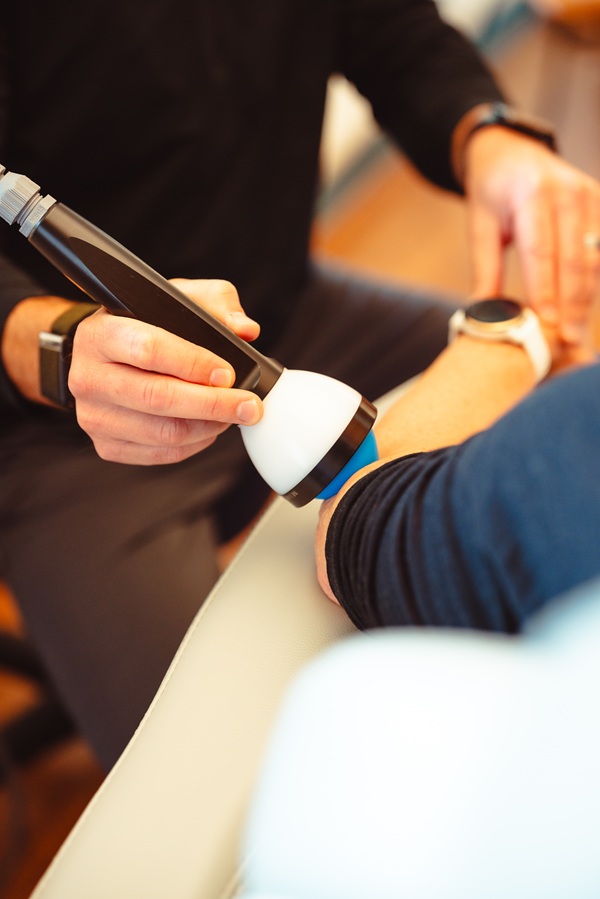
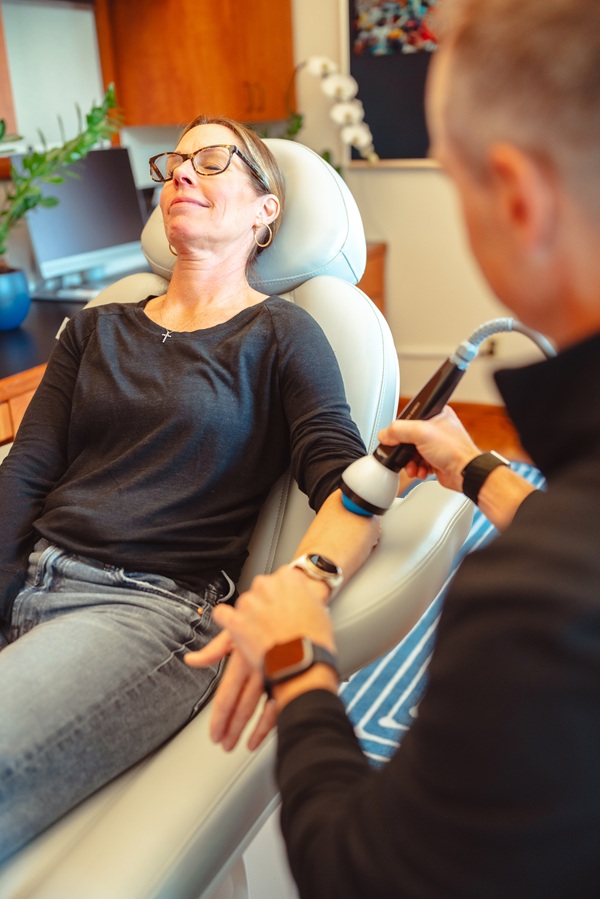
StemWave therapy for plantar fasciitis uses focused acoustic waves delivered through the skin to the area of heel pain. It provides a non-invasive treatment option for people whose symptoms continue despite stretching, footwear changes, activity modification, and other conservative measures.
Plantar fasciitis is also one of the conditions with a substantial body of research involving extracorporeal shockwave therapy. Studies and systematic reviews have reported improvements in pain and function for some people with persistent plantar fasciitis, although results vary between treatment protocols and individual patients.
StemWave uses related focused acoustic wave technology, so this research can help inform its potential role in care. However, findings from broader ESWT research should not be interpreted as direct evidence that every patient will experience the same results with the StemWave device.
What a StemWave Treatment Plan May Look Like
StemWave is generally provided as a series of treatments rather than a one-time session. Sessions are brief and non-invasive, and patients can typically return to their normal daily activities afterward. The number and spacing of treatments can vary based on the condition, symptoms, and response to care.
StemWave may also be used alongside other approaches rather than replacing everything a patient is already doing. Depending on the individual, a broader plantar fasciitis treatment plan may include calf and plantar fascia stretching, progressive exercise, activity modification, supportive footwear, or orthotics.
These approaches address different parts of the problem. StemWave may help reduce pain and improve function, while exercise and mechanical changes can help the foot better tolerate the demands of standing, walking, work, and recreational activity.
What Research Shows About Shockwave Therapy for Plantar Fasciitis
Shockwave therapy has been studied extensively for persistent plantar fasciitis, particularly when symptoms have not improved with initial conservative treatment. Research has found that extracorporeal shockwave therapy can reduce heel pain and improve function for some patients, although results vary across studies and treatment protocols.
Improvement is also not necessarily immediate. Some patients experience changes during a course of treatment, while others improve more gradually in the weeks that follow. Treatment response varies between individuals, so progress is better measured through changes in pain and function than by expecting a specific result after a certain number of sessions.
For someone considering StemWave, this research provides useful support for focused acoustic and shockwave therapies as non-invasive options for persistent plantar fasciitis. It does not guarantee a particular outcome, but plantar fasciitis is one of the musculoskeletal conditions for which this broader category of treatment has been studied extensively.

When Persistent Heel Pain Needs a Closer Look
Heel pain that continues for months can make it difficult to exercise, work on your feet, or simply walk comfortably. If stretching, footwear changes, activity modification, and other conservative measures have not provided enough relief, it may be time to reassess the condition and consider additional treatment options.
Persistent heel pain also should not automatically be assumed to be plantar fasciitis. Other problems can produce similar symptoms, particularly when pain occurs with numbness, tingling, significant swelling, an acute injury, or symptoms that continue to worsen.
For confirmed plantar fasciitis, the appropriate treatment plan depends on the individual rather than whether one therapy can address a single underlying cause. StemWave may be one part of that plan, alongside exercise, appropriate footwear, activity changes, and other measures that help reduce pain and restore comfortable movement.
Take the Next Step With Persistent Heel Pain
If plantar fasciitis is still limiting your walking, work, or exercise despite conservative treatment, Crystal Springs Chiropractic can evaluate your heel pain and determine whether StemWave may be an appropriate addition to your treatment plan.
Inquire About StemWave Therapy